

















Oyo Gov. Makinde Raises Alarm Over Tax Bill Process, Says Nigerians ‘Don’t Know What Was Passed’

By: Israel Adeleke
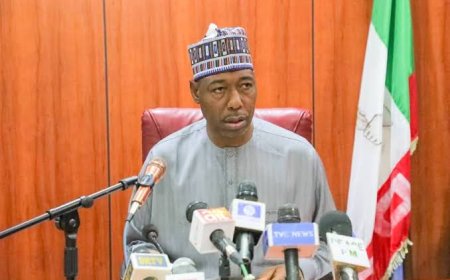
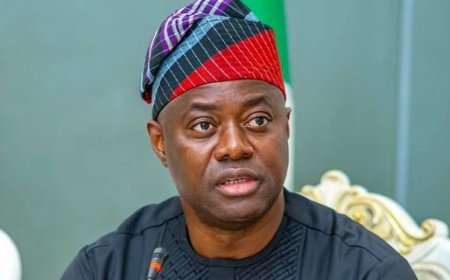
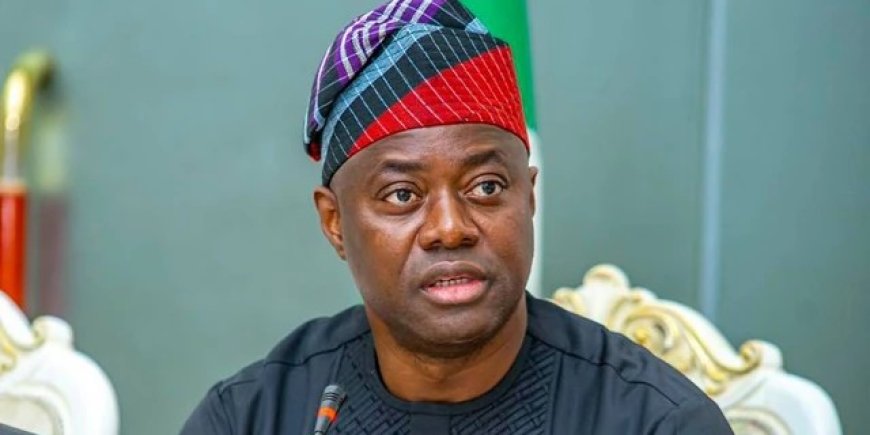
OPEN TELEVISION NAIJA (OTN) News reports as gathered that the Oyo State Governor, Seyi Makinde, has raised concerns over the handling of the controversial federal tax reform bill, declaring that neither state governors nor the Nigerian public know the exact version of the legislation passed by the National Assembly or signed into law.
OTN News further reports as gathered that Makinde voiced his concerns at a public event while addressing former Vice President, Prof. Yemi Osinbajo, where he lamented what he described as a decline in openness, consultation and internal checks within the current federal administration.
“Sir, I personally, I miss you in that position. A lot of people may not know why. Things are not really the same,” Makinde said, expressing regret over Osinbajo’s exit from office.
The governor drew a comparison between Osinbajo’s leadership style and the present approach to governance, recalling how decisions were handled during the COVID-19 crisis shortly after he assumed office in 2019.
“I was barely seven months into the position of governor, and that was my first public service job. There was COVID. We came in for the National Economic Council meeting. It was a hot meeting,” Makinde recounted.
According to him, some governors pushed for an immediate nationwide lockdown, but Osinbajo, who chaired the National Economic Council (NEC) at the time, allowed space for alternative views and context-specific decisions by states.
“For Oyo State people, why I did not lock down during COVID was because of his decision,” Makinde said, noting that Osinbajo’s consultative leadership enabled governors to consider local realities.
Makinde said such openness was absent in the handling of the recent tax bill, which has generated widespread controversy across the country. He explained that governors had requested more time and broader consultation before the bill was passed but were allegedly ignored.
“We had the same situation in this dispensation. It was the tax bill. And we said, look, bring the tax bill back. Let us all have an opportunity to look dispassionately at it,” he said.
He alleged that dissenting voices were brushed aside, adding that the process lacked transparency and inclusiveness.
“And we know where we are right now. The tax bill, we don’t know what was passed at the National Assembly. We don’t also know what was signed off,” Makinde stated.
Reiterating his admiration for Osinbajo, the governor said Nigeria has lost a vital mechanism for balanced decision-making at the federal level.
“So when I say I miss you, I miss you so much, sir,” he added.
The tax reform bill has continued to attract criticism from state governments, civil society organisations and policy analysts, many of whom argue that it was rushed through the legislative process without adequate consultation, raising concerns over its implications for fiscal federalism and revenue sharing.
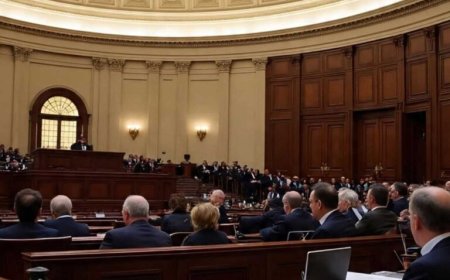
These concerns were further amplified after the House of Representatives confirmed that Nigeria’s newly gazetted tax reform laws were illegally altered.
An ad-hoc committee of the House Minority Caucus probing the matter reported evidence of unauthorised changes to some of the tax reform laws passed by the National Assembly and assented to by President Bola Tinubu.
In an interim report released on Friday, the committee said there were clear discrepancies between the versions approved by lawmakers and those later published in the official gazette, with the Nigeria Tax Administration Act, 2025, identified as having the most significant alterations.
The probe followed public outrage triggered by a motion raised on the floor of the House by Abdulsamad Dasuki, who warned that versions of the tax laws circulating in the public domain differed from what legislators had approved.
The revelations have, however, intensified calls for greater transparency, accountability and stakeholder engagement in Nigeria’s law-making process, particularly on reforms with far-reaching economic and governance implications.
What's Your Reaction?