































Nigeria Tops List of 10 African Countries Projected to Face Highest Food Inflation in 2026 - FAO Reports
...See the Full List of Affected Countries

By: Israel Adeleke, Olufemi Orunsola
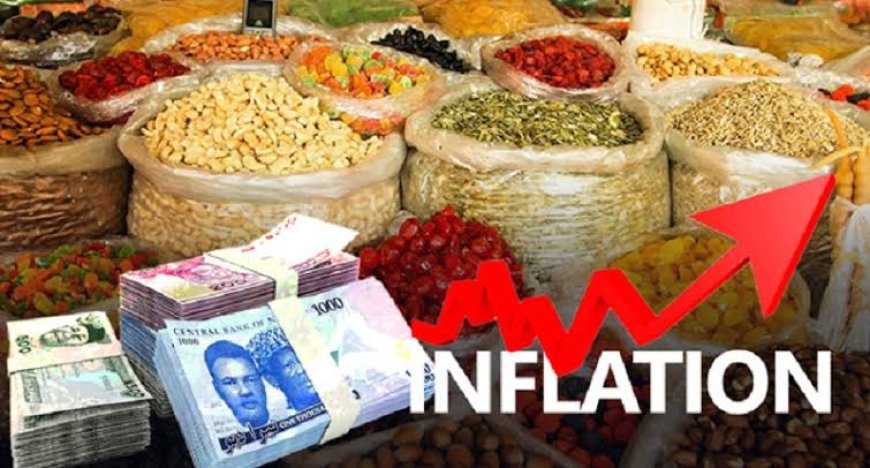
According to new projections released by the Food and Agriculture Organization, FAO, and analysed by Visual Capitalist, at least 10 African countries are projected to record the world’s highest food inflation rates in 2026, underscoring mounting cost-of-living pressures across the continent.
OPEN TELEVISION NAIJA (OTN) News reports that the FAO outlook, which examined expected year-on-year food price changes across 160 countries, revealed sharp contrasts between regions, with African economies dominating the upper end of the inflation scale.
While food price pressures are forecast to ease or even decline in several advanced economies, inflation is expected to remain elevated in emerging and import-dependent markets, particularly in Africa.

OTN News further reports that the analysis ranks countries based on projected food inflation in 2026, highlighting where households are likely to experience the most severe strain on food affordability due to currency volatility, supply chain disruptions, climate-related challenges and heavy reliance on food imports.
At the top of the list is Nigeria, where food inflation is projected to reach 17.1 per cent in 2026 — the highest among all countries surveyed.
Analysts attribute Nigeria’s outlook to a combination of import dependence, persistent currency pressures and domestic supply chain challenges that continue to affect food availability and pricing.
Closely following Nigeria is Angola, with food inflation forecast at 14.8 per cent, driven largely by exchange-rate volatility and the country’s reliance on imported food items.
Other African Countries Under Pressure: Zambia is projected to record food inflation of 10.8 per cent, reflecting elevated input costs and sustained currency weakness, while Ethiopia is expected to post 10.1 per cent, amid ongoing macroeconomic adjustments and domestic supply constraints.
In East and Central Africa, Burundi is forecast at 8.8 per cent, with structural agricultural limitations and economic fragility weighing heavily on food affordability.
Island nation Cabo Verde is projected at 7.2 per cent, reflecting its vulnerability to global price shocks due to heavy dependence on imported food.
Cameroon follows at 7.0 per cent, with supply bottlenecks and currency-related pressures expected to push prices higher.
In East Africa, Kenya is projected at 6.8 per cent, influenced by weather variability and exchange-rate movements.
Meanwhile, food inflation in Somalia and Tanzania is expected to reach 6.7 per cent each, driven by persistent import dependence, currency pressures and domestic supply dynamics.
Talking of Widening Global Divide, the FAO-backed projections highlighted a widening divide between regions where food price pressures are easing and those where inflation remains entrenched.
Analysts warned that persistently high food inflation in Africa could deepen food insecurity, strain household incomes and complicate economic recovery efforts unless structural issues around agriculture, trade and currency stability are addressed.
With food accounting for a significant share of household spending across much of the continent, the outlook raised fresh concerns about affordability and social stability as African economies head toward 2026 under sustained inflationary pressurcountries.
OTN News profiles the report below:
10 African countries projected to record the highest food inflation in 2026
1. Nigeria — 17.1%
Nigeria is projected to top the list, driven by import dependence, currency pressures, and supply chain challenges affecting domestic food availability.
2. Angola — 14.8%
Angola follows closely, with food prices expected to rise sharply amid exchange rate volatility and heavy reliance on imports.
3. Zambia — 10.8%
Elevated input costs and currency weakness are projected to sustain double-digit food i
4. Ethiopia — 10.1%
Ongoing macroeconomic adjustments and domestic supply constraints are expected to keep food prices elevated.
5. Burundi — 8.8%
Structural agricultural limitations and economic fragility continue to weigh on food affordability.
6. Cabo Verde — 7.2%
As an island economy heavily reliant on imported food, Cabo Verde remains vulnerable to global price shocks.
7. Cameroon — 7.0%
Supply bottlenecks and currency-related pressures are expected to drive continued increases.
8. Kenya — 6.8%
Weather variability and exchange rate movements are likely to influence food price trends.
9. Somalia — 6.7%
Import dependence and persistent supply vulnerabilities are projected to keep food inflation elevated.
10. Tanzania — 6.7%
Currency pressures and domestic supply dynamics are expected to shape food price movements.
What's Your Reaction?